
My favorite 4 talks from AI Engineer (with slides)
On agents, combating AI slop, and monetizing AI features

I created and run an AI study group for engineers, so I’m always on the lookout for quality content in this fast-changing space, since engineers are often being mandated to use AI in their jobs.
I learned about AI Engineer the conference through Shawn "swyx" Wang, who also runs the LLM Paper club which I attend. I watched 20+ AI Engineer talks on YouTube and saved screenshots from these four.
Here’s a breakdown of their key points.
1. Anthropic: how to build effective agents
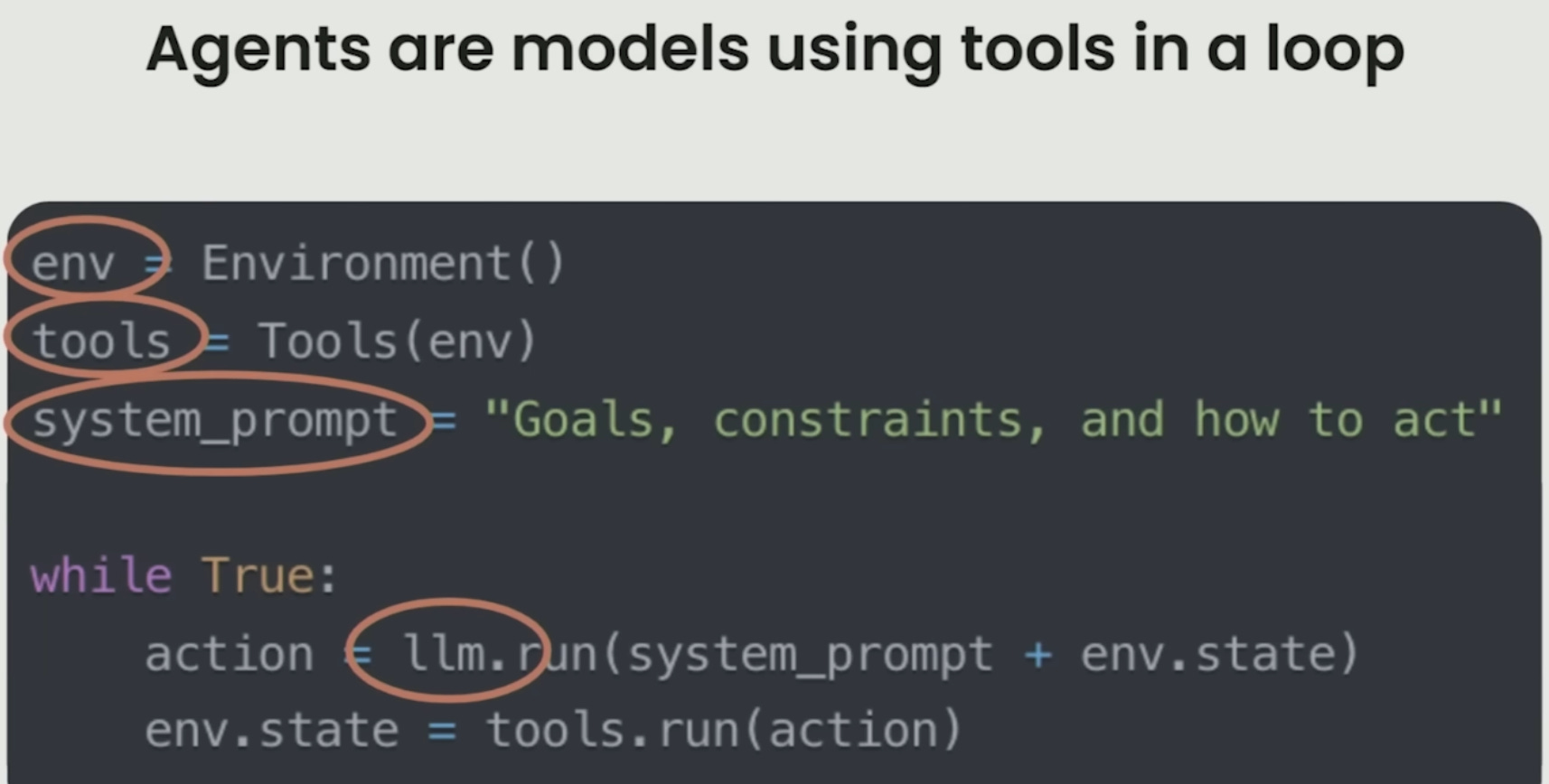
A FAQ from engineers at my AI study group is: “what is an agent?”
This slide answers it well. It even has code!
Barry Zhang, the speaker, also had a slide for “Should one build an agent.”
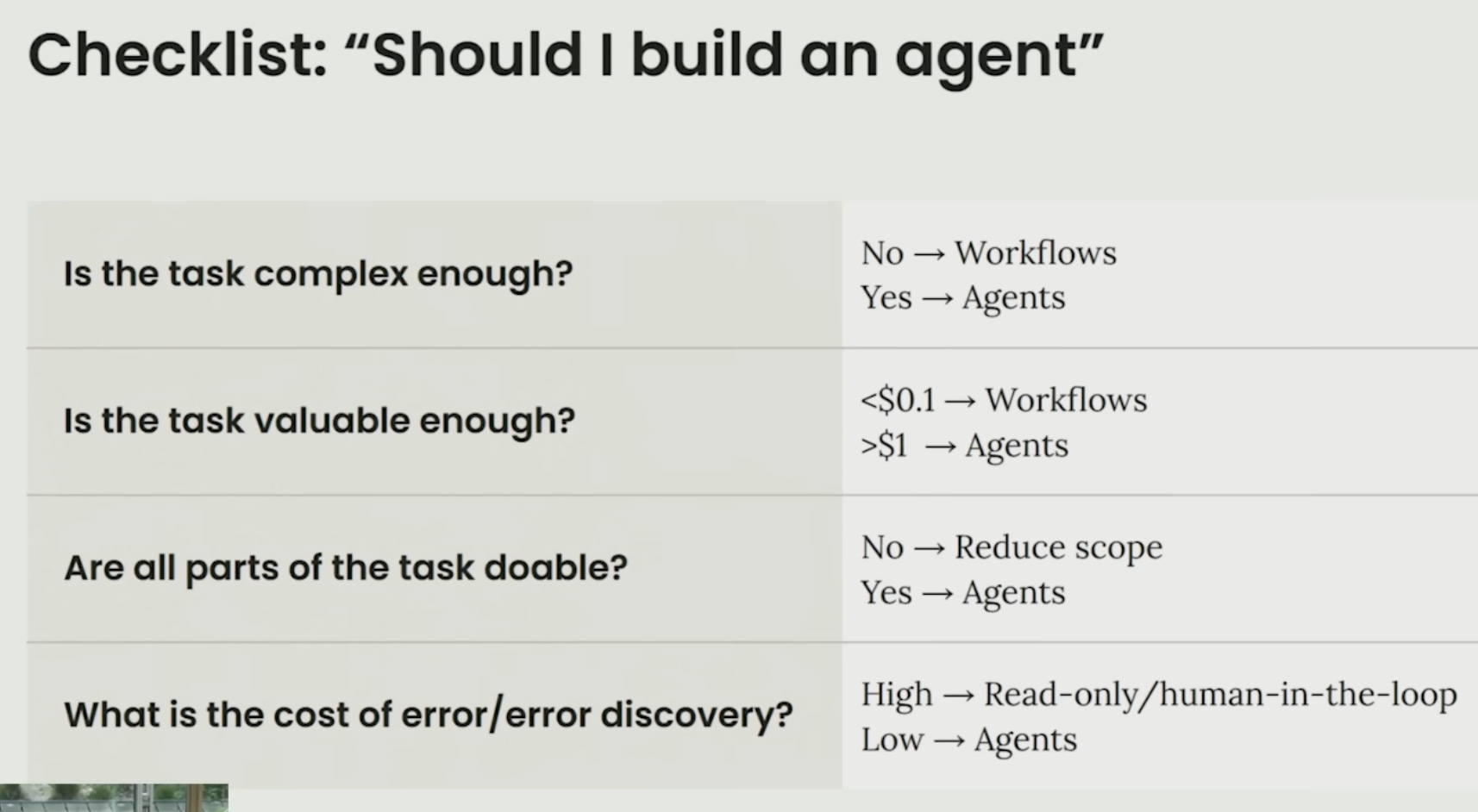
I like how it considers cost. At AI study sessions I’m beginning to see costs per agent run from presenters (I don’t have these costs since I run ollama locally). The cost of running an agent can vary wildly: one presenter had agent runs ranging from $0.09 to >$2 per run in April 2026. She used Claude Opus.
2. Combating AI slop with Mario from pi.dev
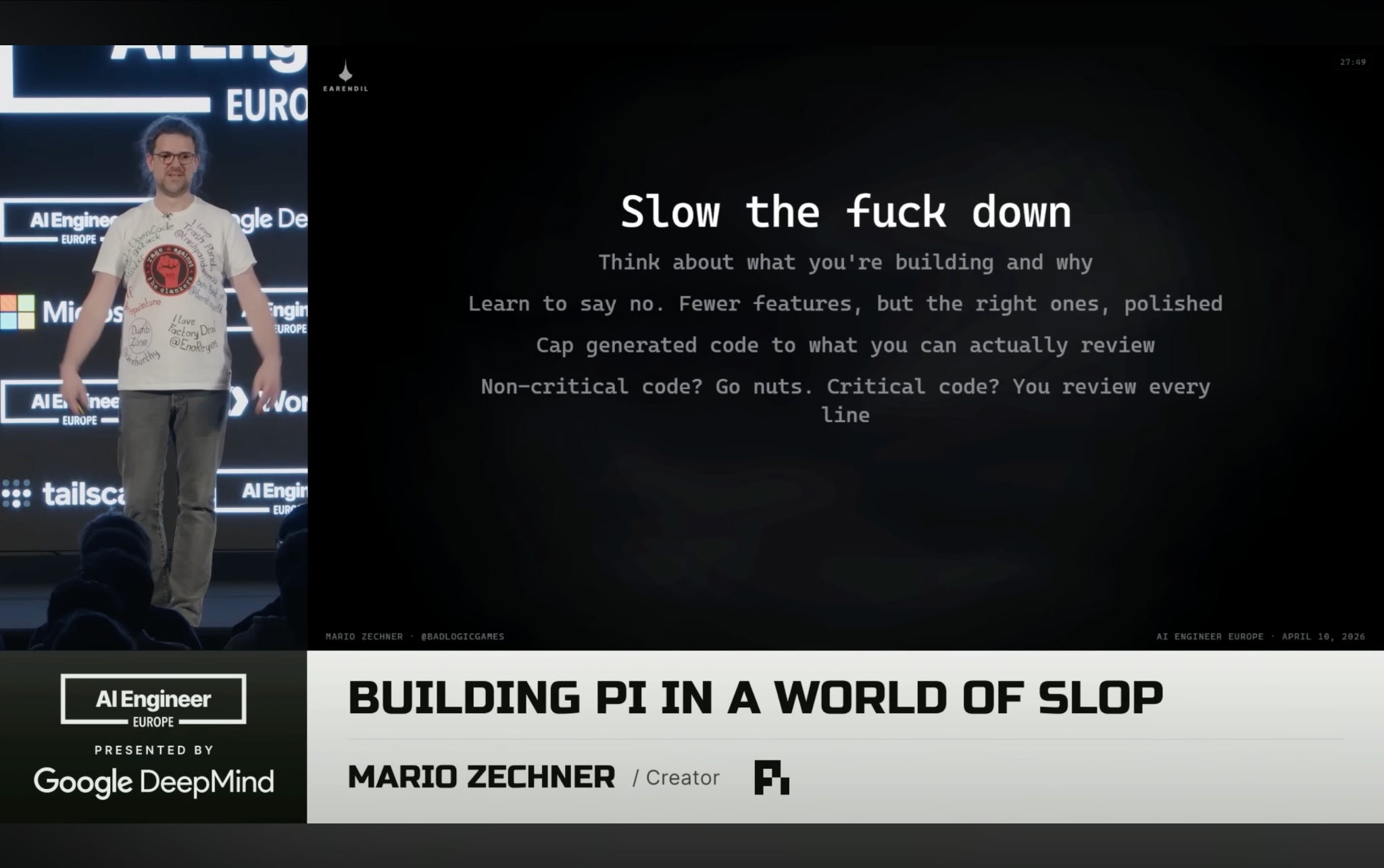
I clicked on this talk because it has the word “slop” in the title, and stayed since the speaker, Mario Zechner, is technical and funny, which is a rare combination. He used the word ‘boo boo’ multiple times to denote mistakes in code. He noticed the more agents are used, the more boo boos are created.
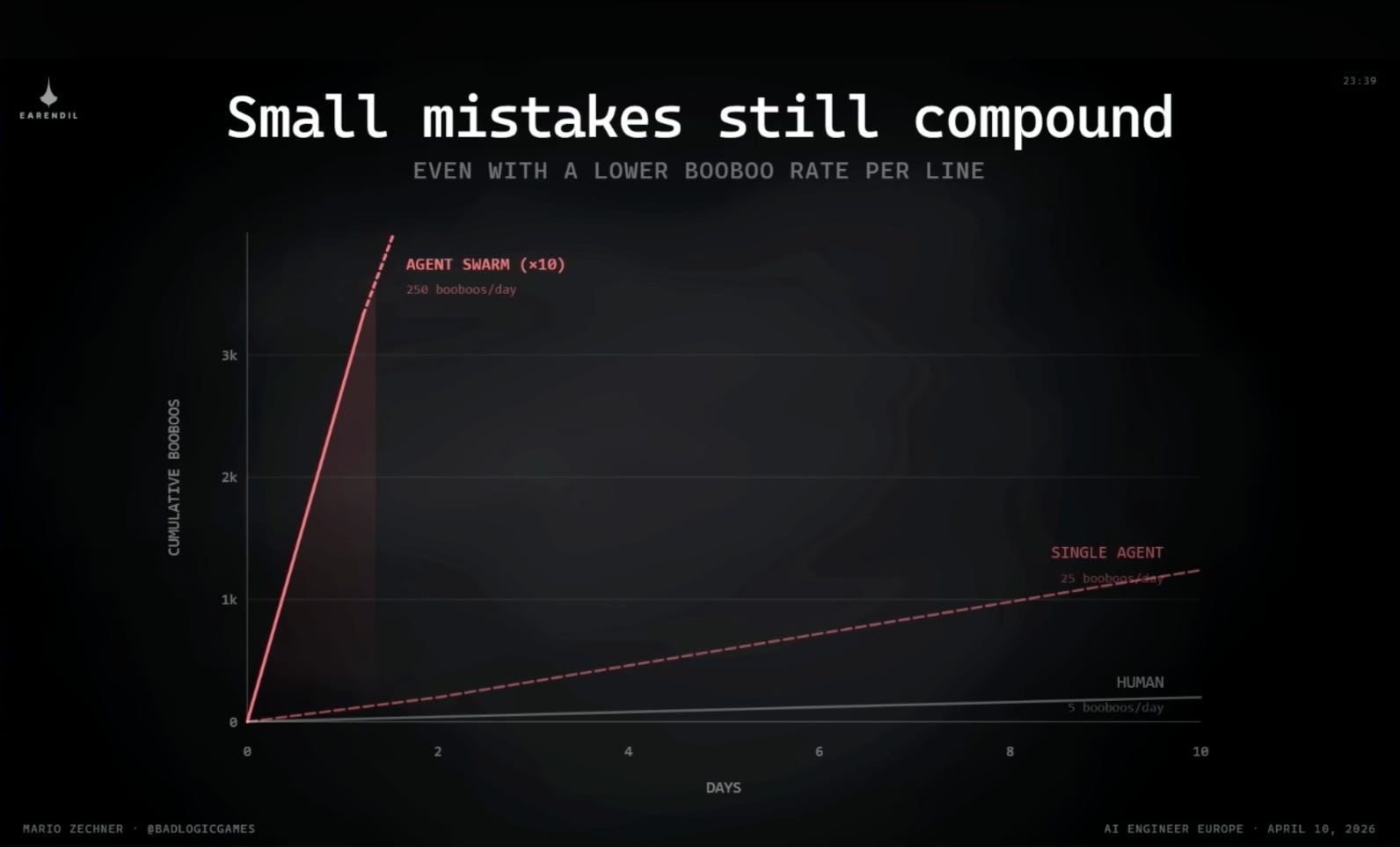
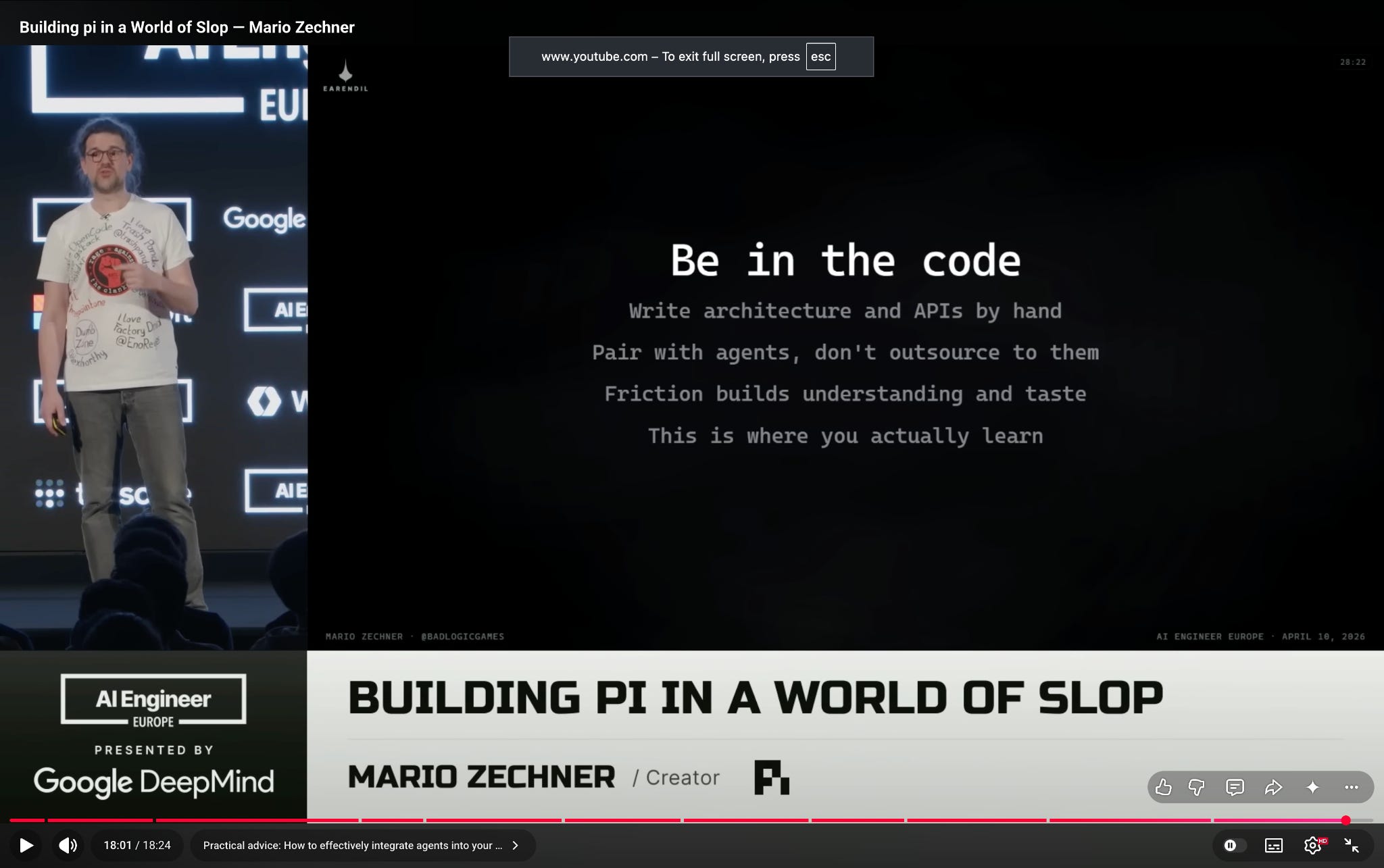
Mario is the creator of pi.dev, which is the coding agent that OpenClaw is built on. He’s also an Austrian who lives away from the AI hype bubble (aka the Bay Area), which might have influenced his blunt talking style. He advises to “Be in the code” and to “Slow the f* down”.
3. Talk by Jake from Netflix on Infinite software
This is another talk on how to work as an engineer during an era of AI-generated code. It speaks to an urgent and growing problem: engineers are being pressured to merge code faster, but they also need to maintain the codebase.
Most non-engineers miss that maintenance is the most expensive part of software development, taking up 50-80% of the cost in the long run. Every line merged is more code to maintain. AI-generated code is often a maintenance nightmare, with hidden bugs and more lines than necessary. Bugs accrue with time, resulting in engineers spending more time fixing bugs instead of developing features.
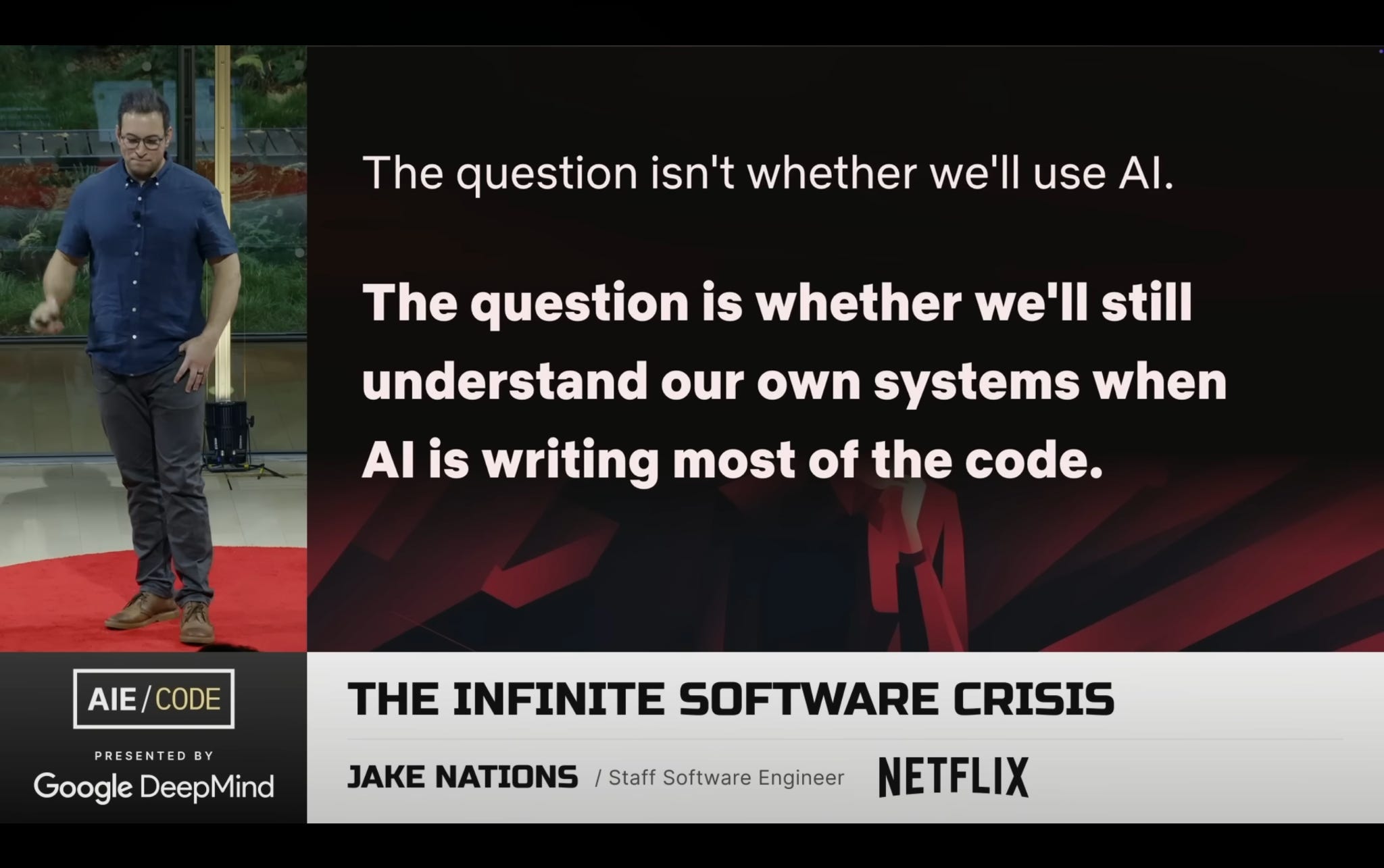
This slide asks a great question:
I love the line on the final slide:
“The hard part was never typing the code. It was knowing what to type.”
This alludes to the depth of an engineer’s craft, which is an engineer’s advantage in the age of AI. AI-generated code makes an engineer’s thinking more important, since errors scale with output volume.
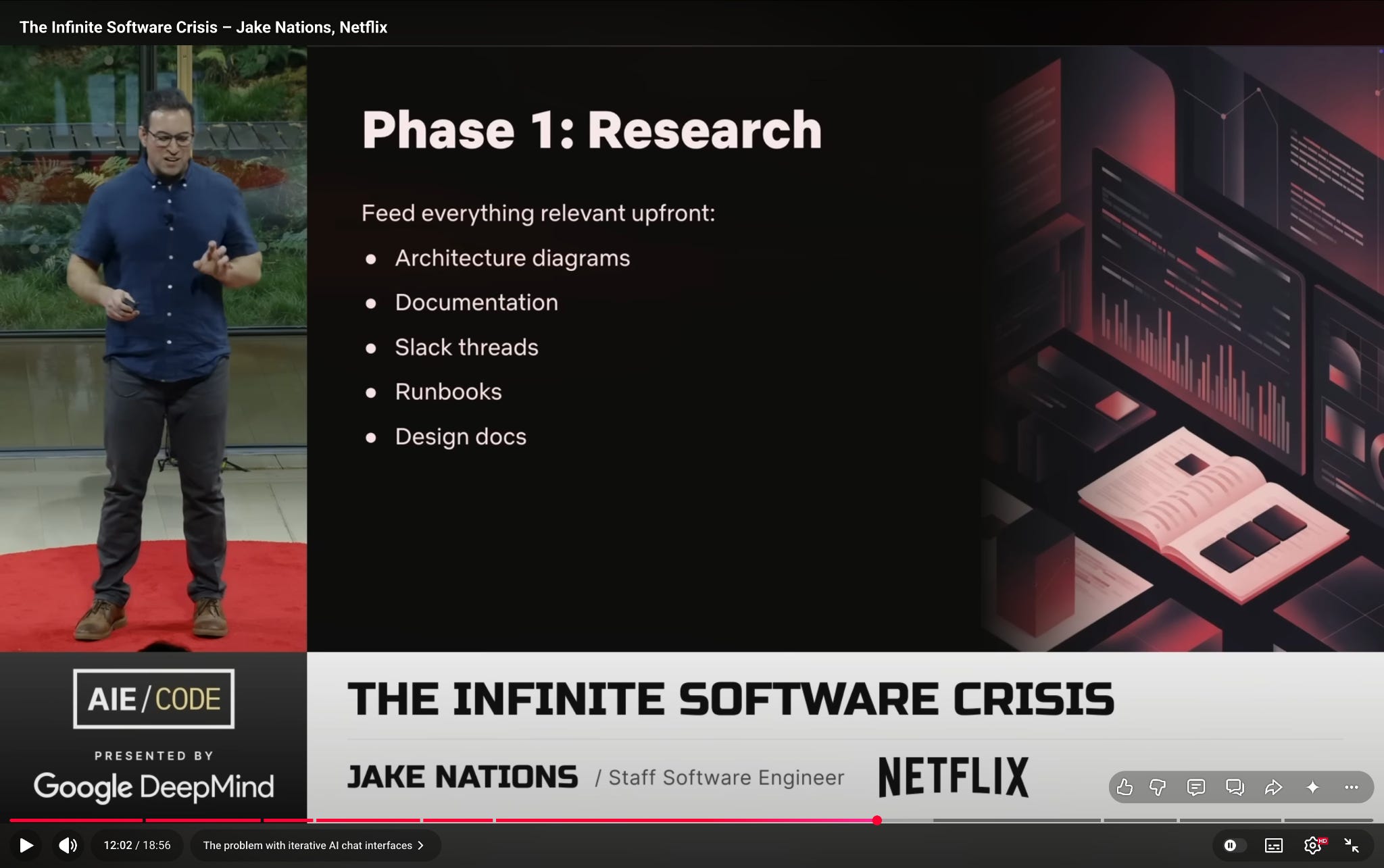
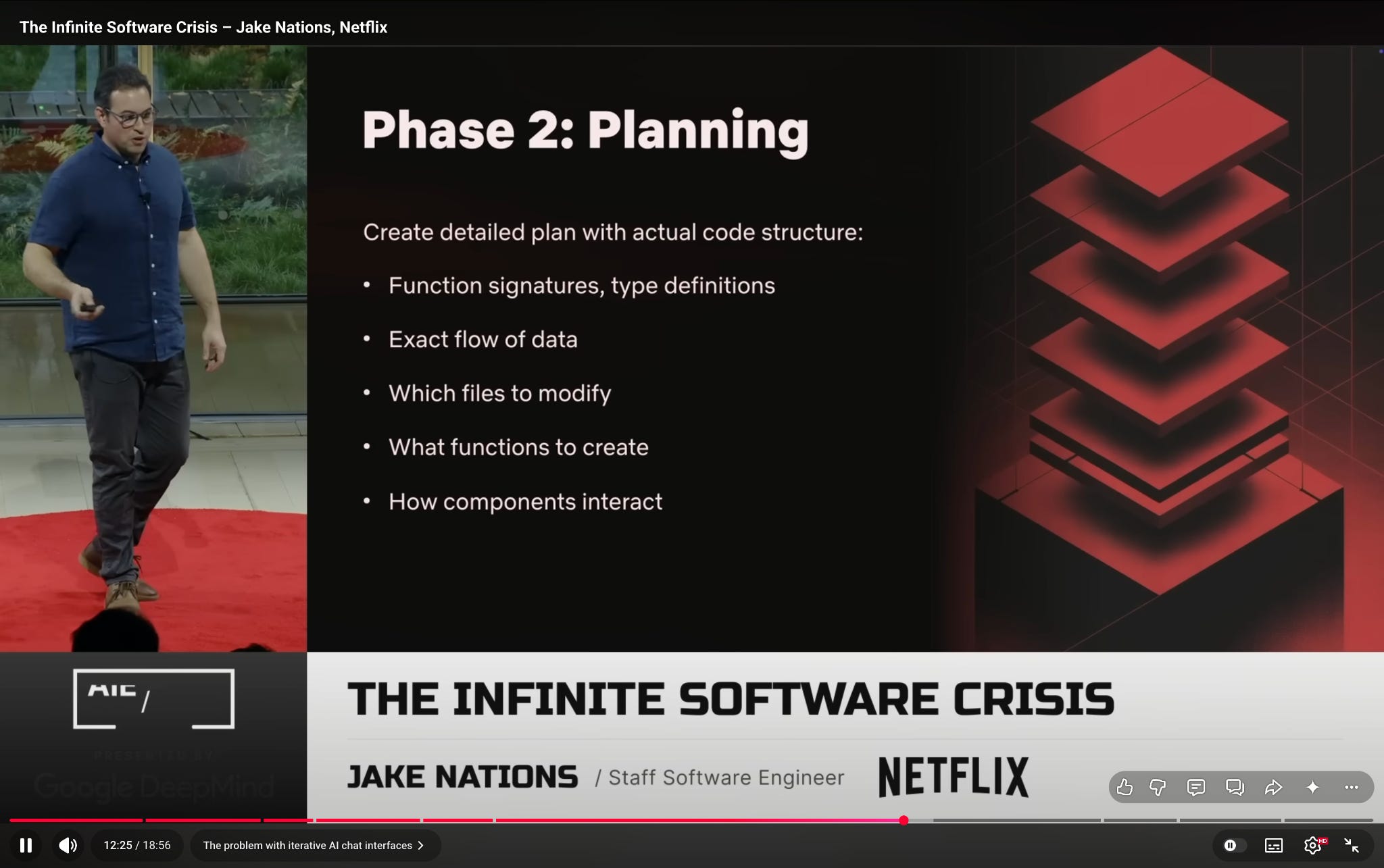
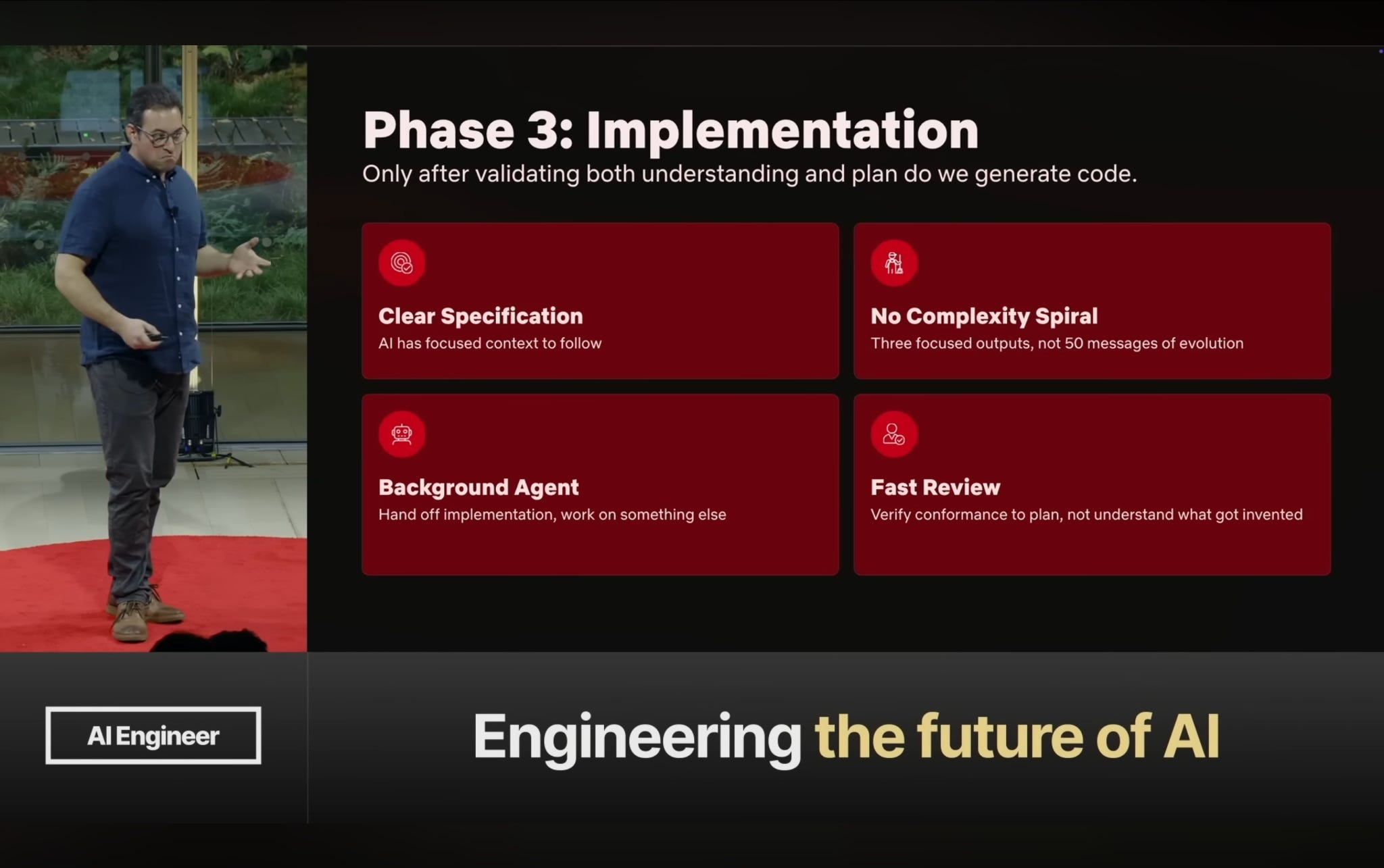
Jake’s talk is similar to Mario’s, since they both showed how errors grow with more AI-generated code. Jake offers a specific framework to increase context and decrease surprises. It’s called RPI: Research, Plan, Implement.
RPI is about being crystal clear on the intent of the code before generating it, to increase consensus and understanding before generating code.
4. Talk by Orb on AI feature Monetization
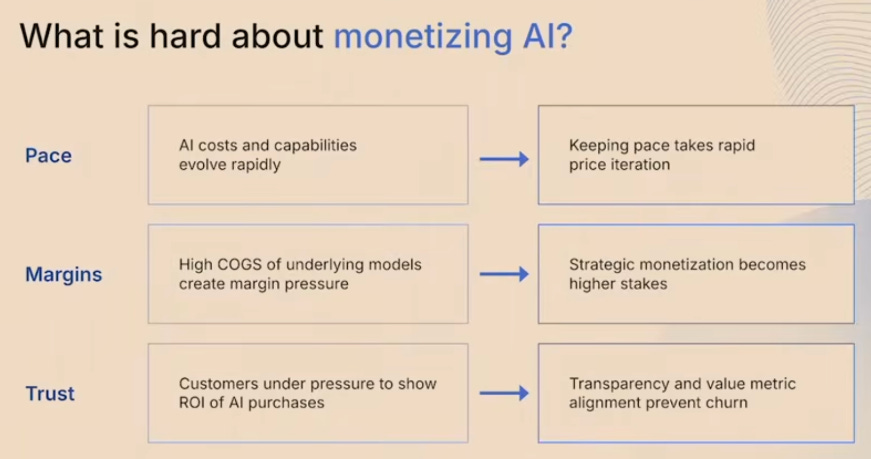
The costs of AI get much attention due to the move to token-based pricing, but there are precious few talks on monetizing AI features. Many SaaS products have AI-enabled features, so the company is already paying for tokens.
How can these AI-enabled features be monetized, or should they be monetized at all?
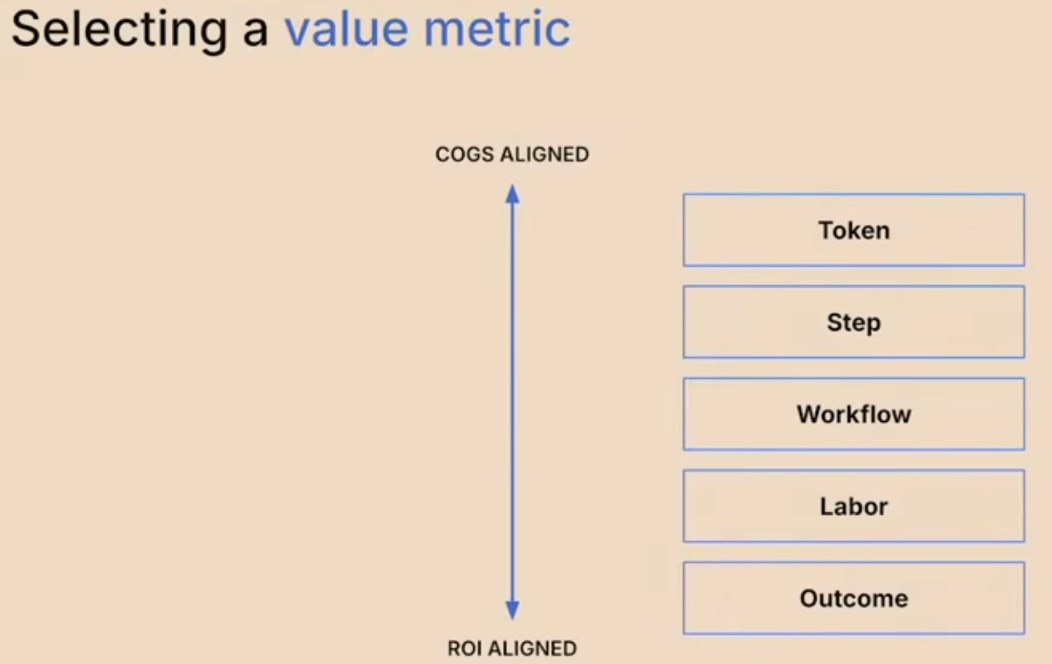
I heard about Orb before but didn’t know they delivered dynamic and usage-based pricing. Alvaro Morales, the speaker, showed the value metric as a range between COGS (cost of goods sold) and ROI (return on investment).
With the move to token-based pricing COGS is getting harder to estimate.
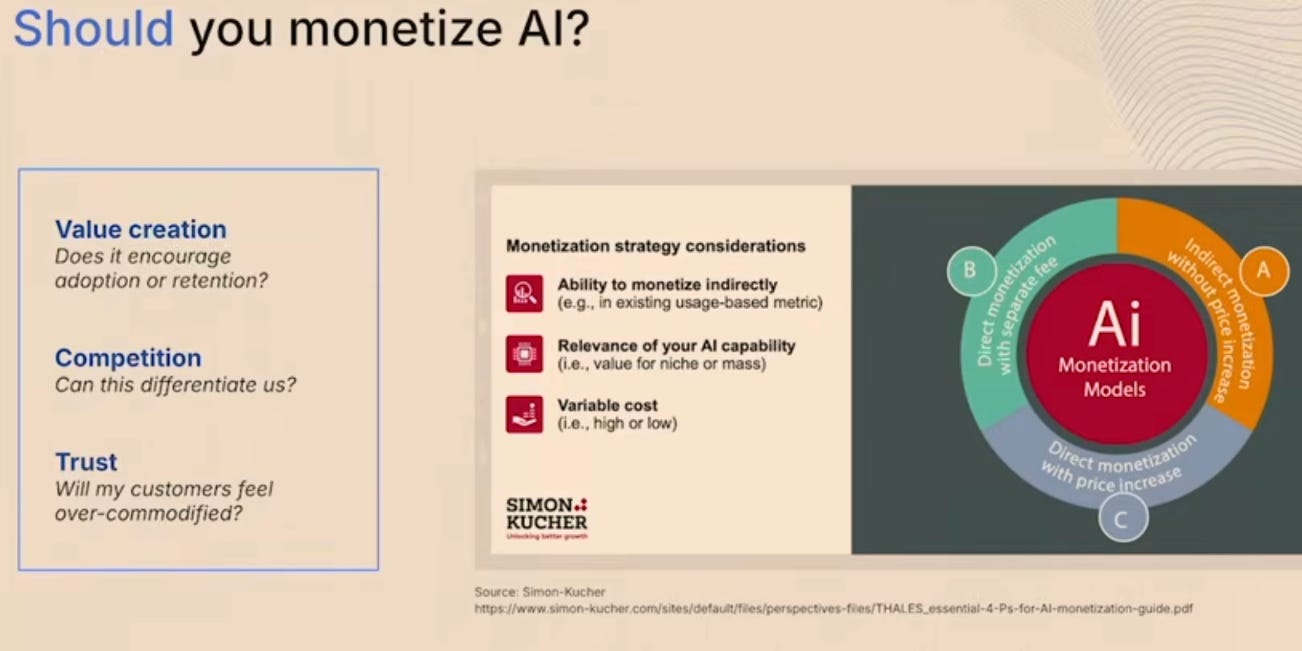
My favorite slide is: “Should you monetize AI,” which is a key question of our time, since it seems everyone, including solopreneurs, are trying to monetize AI-enabled products (eg. by selling a “Second Self”/AI version of themselves, to provide consultation 24/7).
Overall I enjoyed these talks and shared them with my AI study group.
Which are your favorite tech talks, and what did you take away from them?
Thanks for this, Anny! I'm looking forward to watching some of those videos.